
A Dish Is Not a Brand: In re Cordua Restaurants and Genericness for a Restaurant Specialty
The Federal Circuit affirms that CHURRASCOS is generic for restaurant services and that owning a prior registration does not insulate a later application from a genericness refusal.
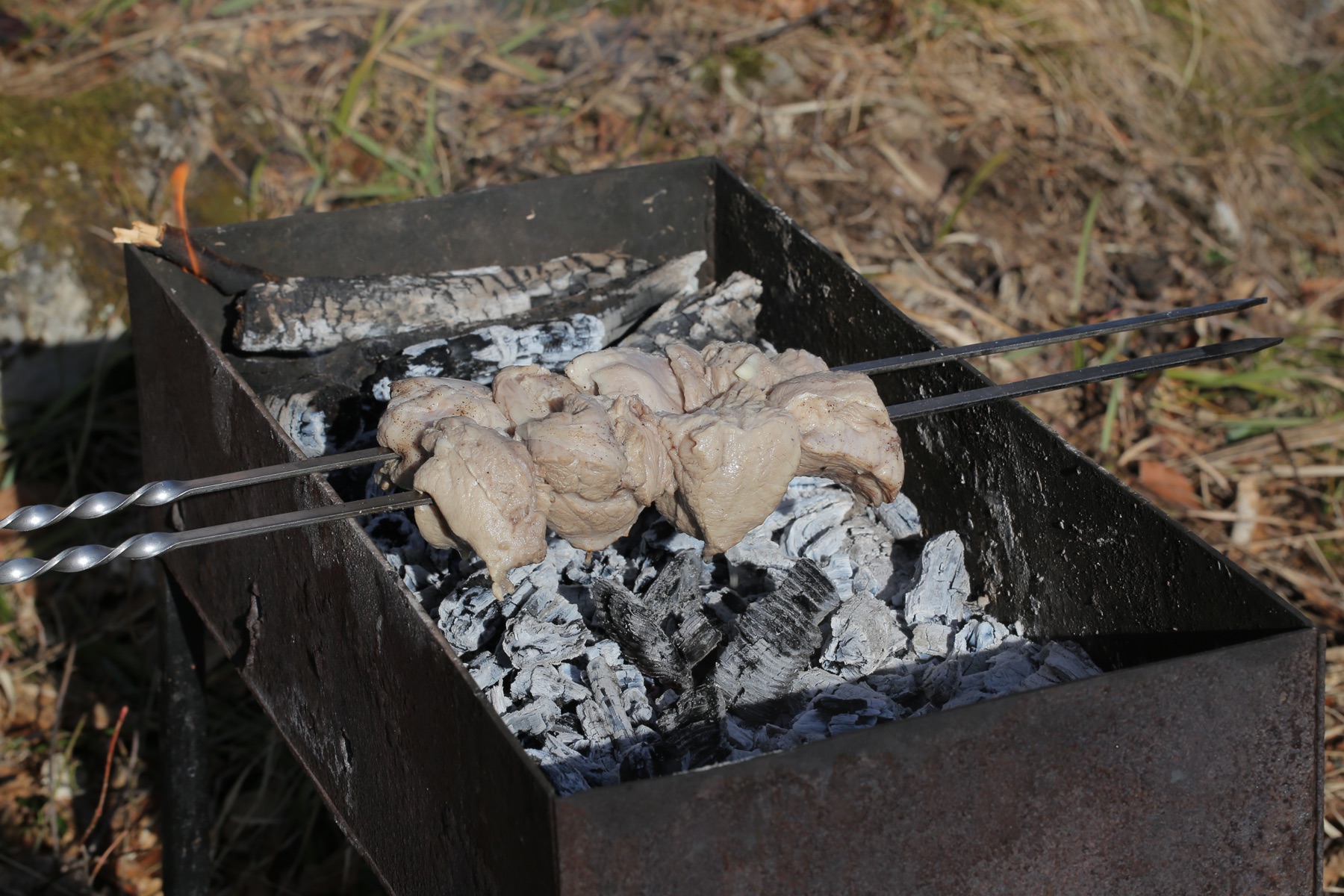
In In re Cordua Restaurants, Inc., 823 F.3d 594 (Fed. Cir. 2016), No. 15-1432 (decided May 13, 2016), the U.S. Court of Appeals for the Federal Circuit affirmed the Trademark Trial and Appeal Board’s refusal to register a stylized version of the mark CHURRASCOS for restaurant services, holding the term generic. The decision is a clean teaching case on two recurring registration problems: when the name of a signature dish becomes the generic name of a category of restaurant, and why holding an existing registration for essentially the same word does not entitle an applicant to a second one. Writing for a panel that included Chief Judge Prost and Judge Stoll, Judge Dyk delivered an opinion that practitioners now reach for whenever a brand and a product description have collapsed into the same word.
At a glance
- Case: In re Cordua Restaurants, Inc., 823 F.3d 594 (Fed. Cir. 2016), No. 15-1432.
- Decided: May 13, 2016; opinion by Judge Dyk, joined by Chief Judge Prost and Judge Stoll.
- Mark at issue: A stylized form of CHURRASCOS for “bar and restaurant services; catering.”
- The applicant: Cordua Restaurants, which has operated Churrascos-branded restaurants serving South American grilled-meat cuisine since 1988 and already held a registration for the standard-character word mark.
- The holding: Substantial evidence supported the Board’s finding that “churrascos” is generic for restaurant services because it names a key aspect of a recognized class of restaurants; an existing registration for the word mark did not entitle Cordua to register the stylized version. Affirmed.
The genus problem and the “key aspect” move
Genericness analysis follows a two-step framework the Federal Circuit inherited from H. Marvin Ginn Corp. v. International Association of Fire Chiefs: first identify the genus of goods or services at issue, then ask whether the relevant public primarily understands the term to refer to that genus. Cordua’s application covered restaurant services, and the parties agreed the genus was restaurant services generally rather than Cordua’s own establishments. The Board’s initial focus on Cordua’s specific restaurants was, the court held, harmless once the broader genus was accepted.
The interesting analytical work came at step two. “Churrasco” denotes a style of grilled meat; standing alone it might seem to name a food, not a service. The court bridged that gap with a principle that gives the opinion its lasting value: a term is generic for a category of services if the relevant public understands it to refer to a key aspect of that category. The court invoked the familiar example that “pizzeria” is generic for restaurant services even though it identifies only a subgroup of restaurants. The record showed that restaurants serving churrasco are commonly called “churrasco restaurants” and that “churrascos” refers to a central feature of that class. On that evidence, the public would understand CHURRASCOS to name a type of restaurant, not to identify a single source — the definition of a generic term.
The court was careful about the logical structure. A term need not denote the entire genus to be generic; it is enough that it denotes a recognized sub-group or a key characteristic within the genus. That refinement matters because it forecloses a tempting defense — “our word names only a kind of food, or only a kind of restaurant, not all restaurants” — that would otherwise let many descriptive food terms slip onto the register.
Why the prior registration did not help
Cordua’s strongest equitable argument was that it already owned a registration for CHURRASCOS in standard characters; it seemed unfair to refuse a stylized version of a word the Office had already accepted. The Federal Circuit rejected the argument on a principle that reaches well beyond this case: each application must be examined on its own merits, and the existence of a prior registration does not require the Office to register a second mark or estop a genericness finding. The Section 7(b) presumption of validity that attaches to a registration protects that registration; it does not carry forward to compel registration of a new application.
The court added a pointed corollary about incontestability. Even an incontestable registration is no shield against a genericness challenge — the Lanham Act expressly allows cancellation of a registration at any time if the mark becomes or is generic. A registrant therefore cannot leverage an older registration, however settled, to immunize a new application from the most fundamental bar to protection. The lesson for portfolio management is blunt: a mark already on the register can still be vulnerable, and prior acceptance by the Office is not a precedent the examining attorney must follow.
What the decision does not decide
The opinion is narrow in an important way. It holds that this term, on this record, is generic for these services; it does not announce that every word borrowed from a cuisine is unregistrable. The outcome rested on substantial evidence — dictionary entries, third-party usage, and the prevalence of “churrasco restaurant” as an ordinary descriptor — that the public treats the term as a category name. A different record, showing that consumers perceive a term as a brand rather than a category, could yield a different result. The case is best read as a demonstration of how evidence of public understanding drives the genus-and-understanding inquiry, not as a categorical rule about food words.
Open questions
- How much third-party use proves genericness? The opinion relied on a record showing widespread categorical usage, but it offers limited guidance on how much evidence is enough in closer cases where a term sits between brand and category.
- Where is the line between descriptive and generic for cuisine terms? Many food and cuisine words are descriptive rather than generic; the decision sharpens but does not fully map the boundary, leaving room for argument over terms that name a style without naming a restaurant type.
- Can stylization ever rescue a generic word? The court treated the stylized presentation as immaterial to genericness here; how distinctive a design element must be before it can support registration of an otherwise generic term remains contestable.
- What follows for the existing word-mark registration? The opinion’s reasoning that incontestability is no shield against genericness signals exposure for the prior registration, though that registration was not before the court.
Implications
- Naming a restaurant after its signature dish is risky. If the public comes to call a category of restaurants by that term, the name may be generic and unregistrable, no matter how much the owner has invested in it.
- A prior registration is not a free pass. Each application is examined independently; owning a registration for a word does not entitle the owner to register variants and does not estop a genericness refusal.
- Incontestability does not defeat genericness. A registration — even an incontestable one — can be challenged or refused on genericness grounds at any time.
- Build a perception record early. Applicants for terms drawn from food, cuisine, or industry vocabulary should marshal evidence that consumers perceive the term as a source identifier, not a category, before the examining attorney concludes otherwise.
- The “key aspect” rule broadens genericness exposure. Because a term can be generic for services by naming a central feature of those services, applicants cannot rely on the argument that their term names only a product or a sub-type.
Frequently asked questions
Why was CHURRASCOS treated as generic for restaurant services rather than just for food? Because the record showed the public understands “churrasco” to name a key aspect of a recognized class of restaurants — those commonly called “churrasco restaurants.” Under the Federal Circuit’s “key aspect” reasoning, a term that names a central feature of a category of services is generic for those services, just as “pizzeria” is generic for restaurant services.
Cordua already had a registration for the word mark. Why didn’t that help? Each trademark application is examined on its own merits. The presumption of validity from an existing registration protects that registration; it does not require the Office to register a new application or prevent a genericness finding. The court also noted that even an incontestable registration is no shield against genericness.
Did the stylized lettering make a difference? No. The court found the genericness of the term controlling and treated the stylization as insufficient to overcome it on this record, leaving open how distinctive a design element would need to be to change the outcome.
Authorities and sources
- In re Cordua Restaurants, Inc., No. 15-1432 (Fed. Cir. May 13, 2016) (precedential opinion, U.S. Court of Appeals for the Federal Circuit): https://www.cafc.uscourts.gov/5-13-2016-15-1432-in-re-cordua-restaurants-inc-opinion-15-1432-opinion-5-11-2016-1/
- In re Cordua Restaurants, Inc., 823 F.3d 594 (Fed. Cir. 2016) (Leagle): https://www.leagle.com/decision/infco20160513124
- The TTABlog, CAFC Upholds TTAB: CHURRASCOS (Stylized) Generic for Restaurant Services: https://thettablog.blogspot.com/2016/05/cafc-upholds-ttab-churrascos-stylized.html
- In re Cordua Restaurants, Inc., 823 F.3d 594 (2016) (FindLaw): https://caselaw.findlaw.com/court/us-federal-circuit/1734746.html