Lehrman v. Lovo: Why the Right of Publicity — Not Copyright — Governs AI Voice Cloning
A federal court let voice actors' right-of-publicity and contract claims against an AI voice-cloning company proceed while dismissing their copyright theories. The decision maps the legal terrain for performers facing synthetic replicas of their voices.
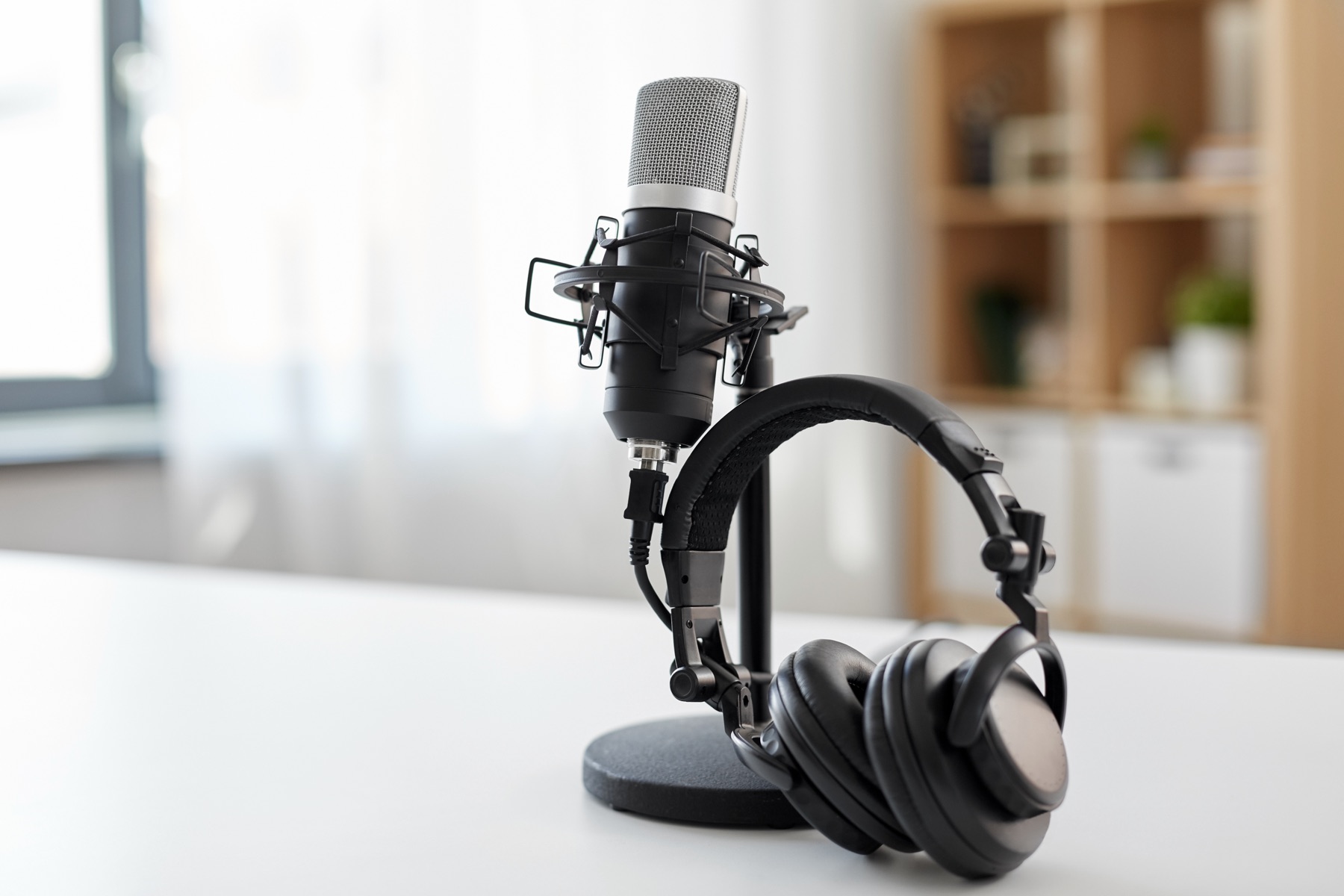
Lehrman v. Lovo, Inc., No. 1:24-cv-03770 (JPO) (S.D.N.Y. July 10, 2025), is among the most closely watched cases at the intersection of generative artificial intelligence and performers’ rights. Voice actors Paul Lehrman and Linnea Sage allege that Lovo created and sold unauthorized AI “clones” of their voices, having obtained samples through the freelance marketplace Fiverr under pretenses that concealed the intended use. Ruling on Lovo’s motion to dismiss, Judge J. Paul Oetken granted the motion in part and denied it in part — and the pattern of what survived and what fell is the decision’s lasting contribution. For Los Angeles’s community of voice actors, musicians, and performers, it is a foundational text.
At a glance
- Case: Lehrman v. Lovo, Inc., No. 1:24-cv-03770 (JPO) (S.D.N.Y.)
- Decided: July 10, 2025 (opinion and order on motion to dismiss), Judge J. Paul Oetken
- Holding: Right-of-publicity, breach-of-contract, and consumer-protection claims survive; Lanham Act and most copyright claims dismissed (some with leave to amend)
- Status: Pending — plaintiffs filed a Second Amended Complaint on July 31, 2025; litigation ongoing
What survived, and what did not
The court’s disposition divides cleanly along a doctrinal fault line.
Survived (motion denied): the plaintiffs’ claims under New York Civil Rights Law §§ 50–51 — the state’s right-of-publicity and voice-misappropriation regime; their breach-of-contract claim; and their New York consumer-protection claims under General Business Law §§ 349–350.
Dismissed: the Lanham Act false-association and false-advertising (trademark) claims; and most of the federal copyright claims — including the theory that training the AI on the plaintiffs’ existing recordings infringed (dismissed with leave to amend) and the theory that the cloned outputs were infringing derivative works.
That split is the holding’s intellectual core: copyright recedes, and the state-law right of publicity advances.
Why copyright is the wrong tool for a voice
The dismissal of the copyright theories rests on a fundamental limit of the statute. Copyright protects original works of authorship fixed in a tangible medium — including the plaintiffs’ actual sound recordings. It does not protect the abstract qualities of a voice: timbre, cadence, accent, the ineffable identity that makes a voice recognizable. A new recording that imitates or simulates a person’s voice, without copying the fixed sounds of an existing recording, does not infringe the recording copyright, because what it appropriates — vocal identity — is not the subject matter of copyright at all.
That is why the “cloned output” derivative-works theory failed, and why the training-infringement claim was, at least as pleaded, dismissed. The harm the plaintiffs describe is not the copying of their recordings but the appropriation of their identities — and identity is the province of the right of publicity, not copyright.
Why the right of publicity is the right one
New York’s §§ 50–51 prohibit the use of a living person’s name, portrait, picture, or voice for advertising or trade purposes without consent. The court held that this regime reaches AI-generated voice clones used commercially, rejecting Lovo’s argument that the statute’s digital-replica provisions excluded the plaintiffs. Construing the statute to encompass technological developments, the court allowed the voice-misappropriation claim to proceed. The court also held that electronic communications conducted through Fiverr — even under pseudonyms — could satisfy the requirements of contract formation, keeping the breach-of-contract claim alive.
The doctrinal lesson generalizes beyond New York. Performers confronting unauthorized synthetic replicas of their voices will, in most cases, find their remedy in state right-of-publicity law and in contract — not in the Copyright Act. That allocation has practical consequences, because right-of-publicity law is state law: it varies in scope, in its treatment of post-mortem rights, and in its interaction with the First Amendment, producing a patchwork rather than a single federal standard.
Open questions
Several questions remain live. First, whether the plaintiffs can successfully replead a copyright training claim — the dismissal was with leave to amend — and how such a claim would fare against the emerging fair-use framework of Bartz and Kadrey. Second, how right-of-publicity statutes that predate generative AI will be construed across jurisdictions, and whether courts will, as here, read them to encompass synthetic voices, or insist on legislative updates. Third, the looming First Amendment dimension: right-of-publicity claims must eventually be reconciled with expressive uses, an issue not resolved at the pleading stage. The wave of new state “digital replica” statutes will interact with these common-law and § 50–51-style claims in ways yet to be tested.
Implications for performers and AI companies
- Performers: look to publicity and contract. The most durable claims against unauthorized voice cloning are state right-of-publicity and breach-of-contract theories, not copyright. Document the terms under which voice samples are provided.
- AI companies: consent is the control. Building a voice product on samples obtained without informed consent for the actual use is the exposure the case identifies. Contractual permissions should match the intended use.
- Counsel: mind the patchwork. Because publicity rights are state-specific, the analysis turns on which state’s law applies and on the scope of any applicable digital-replica statute.
Frequently asked questions
Can you copyright your voice? No. Copyright protects fixed sound recordings, not the abstract qualities of a voice. A recording that merely imitates a voice does not infringe the recording copyright — which is why the court dismissed the copyright theories.
What law protects against AI voice cloning, then? Primarily the state-law right of publicity (in New York, Civil Rights Law §§ 50–51, which covers voice), along with contract and consumer-protection law. Those claims were allowed to proceed.
Is the case over? No. It was a ruling on a motion to dismiss; the surviving claims continue, and the plaintiffs filed an amended complaint in July 2025. The litigation is ongoing.
Authorities and sources
- Lehrman v. Lovo, Inc., No. 1:24-cv-03770 (JPO) (S.D.N.Y. July 10, 2025): opinion PDF (Copyright Alliance); docket entry (Justia).
- Analysis: Skadden, “New York Court Tackles the Legality of AI Voice Cloning”; Loeb & Loeb.