
LKQ v. GM: The Federal Circuit Dismantles the Design-Patent Obviousness Test
Sitting en banc, the Federal Circuit overruled the four-decade-old Rosen-Durling framework and folded design-patent obviousness into the flexible Graham analysis used for utility patents. Design patents just became easier to challenge.
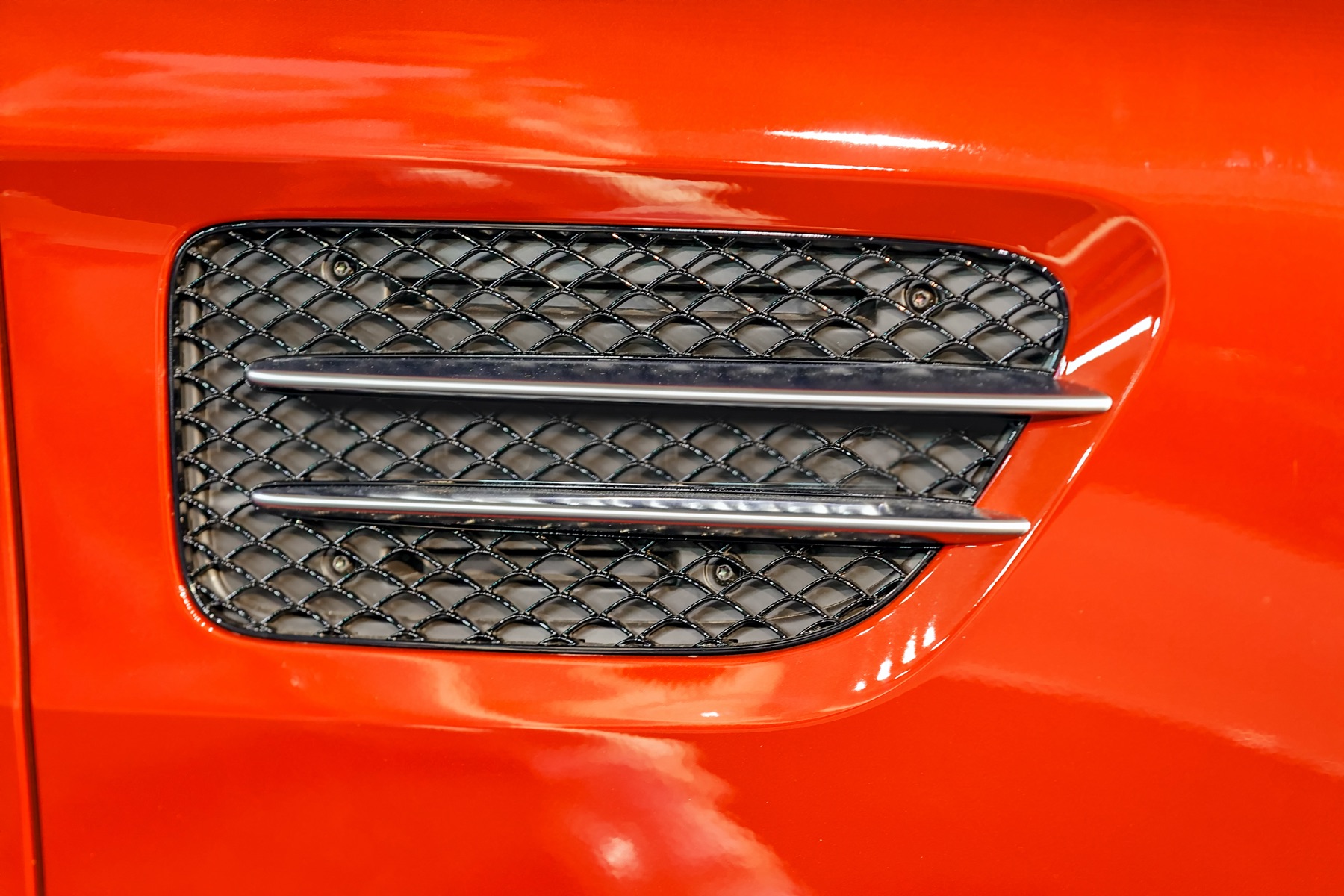
LKQ Corp. v. GM Global Technology Operations LLC, 102 F.4th 1280 (Fed. Cir. 2024), decided en banc on May 21, 2024, is the most significant design-patent decision in more than forty years. In an opinion by Judge Stoll, the en banc Federal Circuit overruled the long-governing Rosen-Durling test for assessing whether a design patent is obvious, holding it irreconcilable with 35 U.S.C. § 103 and with the Supreme Court’s command, in KSR International Co. v. Teleflex Inc., that obviousness be assessed through a flexible, fact-driven lens. The decision recalibrates both prosecution and litigation strategy for anyone who relies on design protection.
At a glance
- Case: LKQ Corp. v. GM Global Technology Operations LLC, 102 F.4th 1280 (Fed. Cir. 2024) (en banc)
- Decided: May 21, 2024; opinion by Judge Stoll
- Holding: The Rosen-Durling test for design-patent obviousness is overruled; design-patent obviousness is governed by the flexible Graham v. John Deere framework used for utility patents
- Status: Vacated and remanded to the PTAB to apply the new standard
What Rosen-Durling required
Design patents protect the ornamental appearance of an article of manufacture, and like utility patents they are subject to the nonobviousness requirement of § 103. For decades, the Federal Circuit assessed design-patent obviousness through a rigid two-step gate derived from In re Rosen and Durling v. Spectrum Furniture. First, a challenger had to identify a single primary reference — a prior design “basically the same” as the claimed design as a whole. Only if such a reference existed could the analysis proceed. Second, any secondary references used to modify the primary reference had to be “so related” to it that features in one would suggest application to the other.
Those threshold requirements were demanding, and they frequently defeated obviousness challenges at the outset: if no single prior design was “basically the same” as the claim, the inquiry ended before it began.
Why the court overruled it
The en banc court held that Rosen-Durling’s rigid prerequisites could not be squared with the statute or with Supreme Court precedent. Section 103 applies to design and utility patents alike, and KSR had rejected, for utility patents, precisely the kind of rigid, formalistic gatekeeping that Rosen-Durling imposed on designs. The Supreme Court in KSR condemned tests that constrain the obviousness analysis with mandatory thresholds rather than allowing a flexible, evidence-based inquiry. Because nothing in § 103 justifies a separate, more rigid regime for designs, the court held, design-patent obviousness must be analyzed under the same framework as everything else.
That framework is the four-part inquiry from Graham v. John Deere Co.: (1) the scope and content of the prior art; (2) the differences between the prior art and the claim at issue; (3) the level of ordinary skill in the pertinent art; and (4) secondary considerations of nonobviousness, such as commercial success, copying, and industry praise. The rigid “basically the same” and “so related” thresholds are gone; the primary-reference concept survives only in the looser sense that the analysis still begins from the prior art, without the categorical gate.
The consequence: a lower bar to invalidation
The practical effect is to make design patents easier to challenge as obvious. By removing the threshold that often ended challenges prematurely, LKQ allows challengers to assemble and combine prior-art designs under the flexible Graham approach, much as they do against utility patents. The case itself arose from an inter partes review concerning GM’s design patent for a vehicle front fender — a context that signals the stakes for the automotive-parts and repair industries, where design patents have been a central tool, but the ruling reaches every field that relies on design protection, from consumer products to fashion.
Open questions
The en banc court deliberately left the contours of the new analysis to be worked out case by case. Several questions are now live: What, if anything, remains of the “primary reference” requirement in practice, and how analogous must prior-art designs be to be combinable? How will the level of ordinary skill be defined for an ornamental design, where “skill” is aesthetic rather than technical? And how much weight will secondary considerations carry in the design context? The PTAB and the Federal Circuit will answer these on remand and in the cases that follow.
Implications for design-patent owners and challengers
- Owners: build and preserve secondary-considerations evidence. With the rigid threshold gone, evidence of commercial success, copying, and industry praise becomes a more important bulwark against obviousness.
- Owners: expect more robust challenges. Portfolios that looked secure under Rosen-Durling may be more vulnerable; reassess litigation and licensing posture accordingly.
- Challengers: think like a utility-patent litigant. Marshal combinations of prior-art designs under Graham/KSR rather than searching for a single near-identical reference.
Frequently asked questions
What was the Rosen-Durling test? A rigid two-step framework that required a single prior-art design “basically the same” as the claimed design before any obviousness analysis could proceed, and that limited which secondary references could be combined with it.
What replaces it? The same flexible four-factor Graham v. John Deere analysis used for utility-patent obviousness, consistent with the Supreme Court’s KSR decision.
Does this make design patents weaker? It generally makes them easier to challenge as obvious by removing a threshold that often ended challenges early. Owners can still defend validity, including through secondary considerations of nonobviousness.
Authorities and sources
- LKQ Corp. v. GM Global Technology Operations LLC, 102 F.4th 1280 (Fed. Cir. 2024) (en banc) (May 21, 2024). Citation, en banc status, Judge Stoll’s authorship, and the overruling of Rosen-Durling corroborated across Sterne Kessler, Morgan Lewis, Dentons, and Banner Witcoff analyses. (Exact appeal docket number not independently confirmed.)