
The Pose Belongs to No One: Rentmeester v. Nike and the Thin Copyright in a Photograph
The Ninth Circuit held that Nike's iconic Michael Jordan 'Jumpman' photograph did not infringe Jacobus Rentmeester's earlier image, because copyright protects a photograph's expression of a pose — not the pose itself.
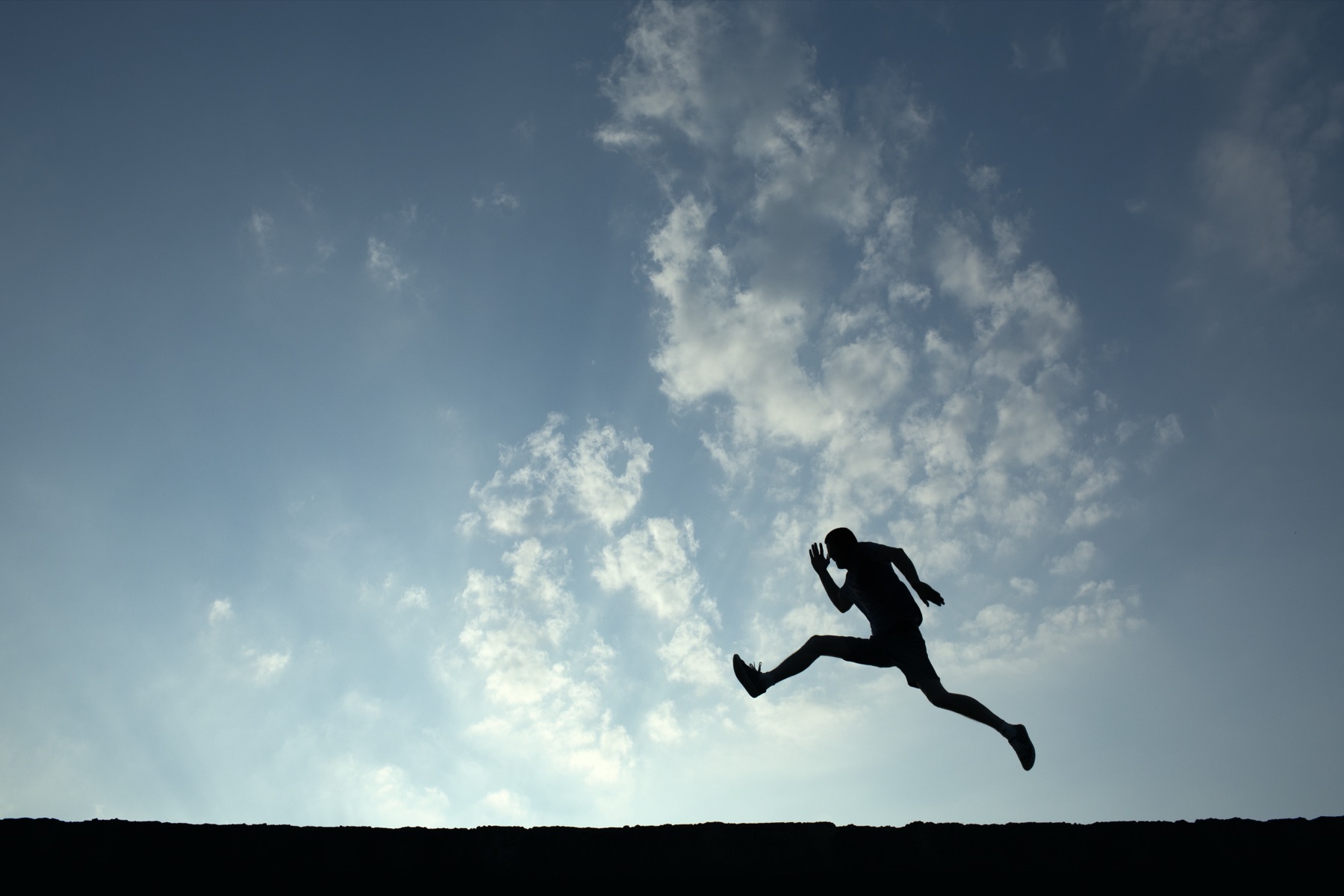
In Rentmeester v. Nike, Inc., No. 15-35509 (9th Cir. Feb. 27, 2018), the United States Court of Appeals for the Ninth Circuit confronted a question that haunts every working photographer: when a later image borrows the concept, pose, and staging of an earlier one, where does inspiration end and infringement begin. Judge Paul J. Watford, writing for the panel and joined by Judge Marsha S. Berzon, affirmed the dismissal of celebrated photographer Jacobus Rentmeester’s suit against Nike, holding that Nike’s photograph of Michael Jordan — and the “Jumpman” silhouette derived from it — did not infringe Rentmeester’s earlier, strikingly similar image. Judge John B. Owens concurred in part and dissented in part. The decision is now a leading appellate statement on how copyright protects photographs and on the difference between an idea a photographer originates and the protected expression of that idea.
At a glance
- Case: Rentmeester v. Nike, Inc., No. 15-35509 (9th Cir.)
- Decided: February 27, 2018 (on appeal from the U.S. District Court for the District of Oregon)
- Holding: Although Rentmeester plausibly alleged that Nike copied his photograph as a factual matter, he failed to plausibly allege “unlawful appropriation” — substantial similarity in protected expression — so dismissal was proper. A pose, however original, is an unprotectable idea; only its expression through the photographer’s specific creative choices is protected, and the two photographs were not substantially similar in those choices.
- Split: Judge Owens dissented in part, arguing that substantial similarity as to the Nike photograph was too fact-bound to resolve on a motion to dismiss; he agreed the Jumpman logo claim failed.
Two photographs, one extraordinary leap
In 1984, Rentmeester photographed Jordan, then a University of North Carolina student, leaping toward a basketball hoop with his legs split and his left arm extended overhead clutching a basketball — a pose Rentmeester deliberately borrowed from ballet’s grand jeté, a stance utterly unlike how anyone actually dunks. The image, shot outdoors against an open sky, became famous. Nike soon commissioned its own photograph of Jordan in a closely comparable pose, set against the Chicago skyline, and later distilled that image into the black “Jumpman” silhouette that became one of the most valuable logos in sports. Rentmeester sued, alleging that both the Nike photograph and the Jumpman logo infringed his copyright. The district court dismissed, and the Ninth Circuit affirmed.
Copying versus unlawful appropriation
The opinion’s analytical spine is its insistence that copyright infringement has two distinct components, too often collapsed into one. The first is copying as a factual matter: whether the defendant actually used the plaintiff’s work, rather than creating independently. This is typically shown through access plus probative similarity. The court readily assumed Rentmeester cleared this bar — Nike had requested and received a transparency of his photograph, and the resemblance between the images was strong evidence of actual copying rather than coincidence.
The second component is unlawful appropriation: whether the defendant copied enough of the plaintiff’s protected expression to render the works “substantially similar.” This is the dispositive inquiry, and it is where Rentmeester’s claim failed. Copying in fact is not enough; one may freely copy the unprotectable elements of another’s work. The question is whether what was taken was protected. The court analyzed this through the Ninth Circuit’s extrinsic test, which filters out unprotectable material — ideas, concepts, standard elements — and compares only the protectable expression through objective criteria. Because the extrinsic test can be applied as a matter of law, the court could resolve substantial similarity at the pleading stage.
The pose as idea; the photograph as expression
At the doctrinal core lies the idea/expression dichotomy. Rentmeester unquestionably originated the arresting grand-jeté pose. But the court held that the pose itself — the idea of photographing a person leaping in that balletic configuration — is not protectable. To hold otherwise would grant Rentmeester a monopoly over an idea and prevent anyone from ever photographing a subject in that stance. What copyright protects is the particular way the pose is expressed in a given photograph: the selection and arrangement of elements such as camera angle, lighting, timing, shutter speed, background, and the precise rendering of the subject.
Measured by those choices, the two photographs diverged materially. Rentmeester shot from a low angle against a clear sky with a grassy knoll and an isolated, off-court hoop, in muted natural light. Nike shot Jordan against the Chicago skyline at dusk, from a different angle, with different lighting and a different overall composition. Sharing only the “general idea or concept” of the leaping pose was not enough; the protectable expression in each image was arranged differently. The court underscored that Rentmeester’s photograph, because of its many creative choices, was entitled to “broad” rather than “thin” protection — but even broad protection does not extend to the underlying idea, and the differences in expression defeated substantial similarity.
The Jumpman logo claim fared no better, and unanimously so. The logo is a solid silhouette of the figure from the Nike photograph. Because that figure as expressed in Nike’s image was not substantially similar to the protected expression in Rentmeester’s, a silhouette derived from it could not be either. A bare pose, abstracted into an outline, lies on the idea side of the line.
The partial dissent: a question for the jury?
Judge Owens agreed that the Jumpman logo claim failed but parted ways on the Nike photograph. In his view, substantial similarity is a notoriously fact-intensive judgment, and the resemblance between the two images was close enough that reasonable jurors could differ. He would have allowed the photograph claim to proceed past the pleadings rather than resolving it as a matter of law. The split previews a recurring tension in visual-art litigation: how confidently appellate courts can decide substantial similarity on the face of two images without the aid of expert testimony or a developed record.
Open questions
- When is substantial similarity too fact-bound for the pleading stage? The Watford-Owens disagreement leaves district courts to calibrate how much visual resemblance warrants letting a claim reach a jury.
- How should “selection and arrangement” be weighed across different media? The opinion’s framework for photographs invites analogous questions for film stills, illustration, and AI-generated imagery built from prompts.
- Where exactly is the line between an unprotectable pose and protected expression? Highly stylized, photographer-directed poses sit uneasily between the two; future cases will test how much direction converts an “idea” into “expression.”
- Does broad protection mean anything if the idea is always carved out? The case shows that a label of broad protection can still yield a defense verdict when the borrowed material is characterized as idea.
Implications
- For photographers: Originating a striking pose or concept does not lock it up. Protection attaches to your execution — angle, light, timing, composition — so document those choices, but expect others to be free to reuse the underlying idea.
- For brands and advertisers: Commissioning a new shoot “in the style of” an existing image is lawful where the new work makes materially different creative choices, even if it borrows the same concept; the safe harbor is genuine differences in expression, not cosmetic tweaks.
- For litigators: Frame the case around the copying/appropriation distinction. Plaintiffs should press the fact-bound nature of substantial similarity (echoing Owens); defendants should isolate the unprotectable idea and seek early resolution under the extrinsic test.
- For the broader visual-art field: The decision reinforces that ideas, concepts, and poses remain free for all to use, a principle with growing salience as generative tools recombine recognizable compositions.
Frequently asked questions
Did Nike copy Rentmeester’s photograph? As a factual matter, the court assumed it did — Nike had access to the image, and the resemblance was strong. But factual copying alone is not infringement. The claim failed because Nike did not copy enough of the protected expression to make the works substantially similar.
Can you copyright a pose? No. A pose, however original, is treated as an unprotectable idea. What copyright protects is the way a particular photograph expresses that pose through choices like camera angle, lighting, timing, and composition.
Why did the Jumpman logo claim fail too? The logo is a silhouette taken from Nike’s photograph. Since that photograph was not substantially similar to the protected expression in Rentmeester’s image, a silhouette derived from it could not infringe either. A bare outline of a pose is idea, not protected expression.
Authorities and sources
- Opinion, Rentmeester v. Nike, Inc., No. 15-35509 (9th Cir. Feb. 27, 2018)
- Leagle, Rentmeester v. Nike, Inc., 883 F.3d 1111 (9th Cir. 2018)
- Copyright Alliance, “Rentmeester v. Nike”
- Quinn Emanuel, “Rentmeester v. Nike: Copyright Protection for Photography”
- Loeb & Loeb LLP, “Rentmeester v. Nike, Inc.”