
Disassembly as Fair Use: Why Sega v. Accolade Still Governs Reverse Engineering
The Ninth Circuit held that copying object code to study a program's unprotected functional elements can be fair use, securing reverse engineering as a tool for interoperability and competition.
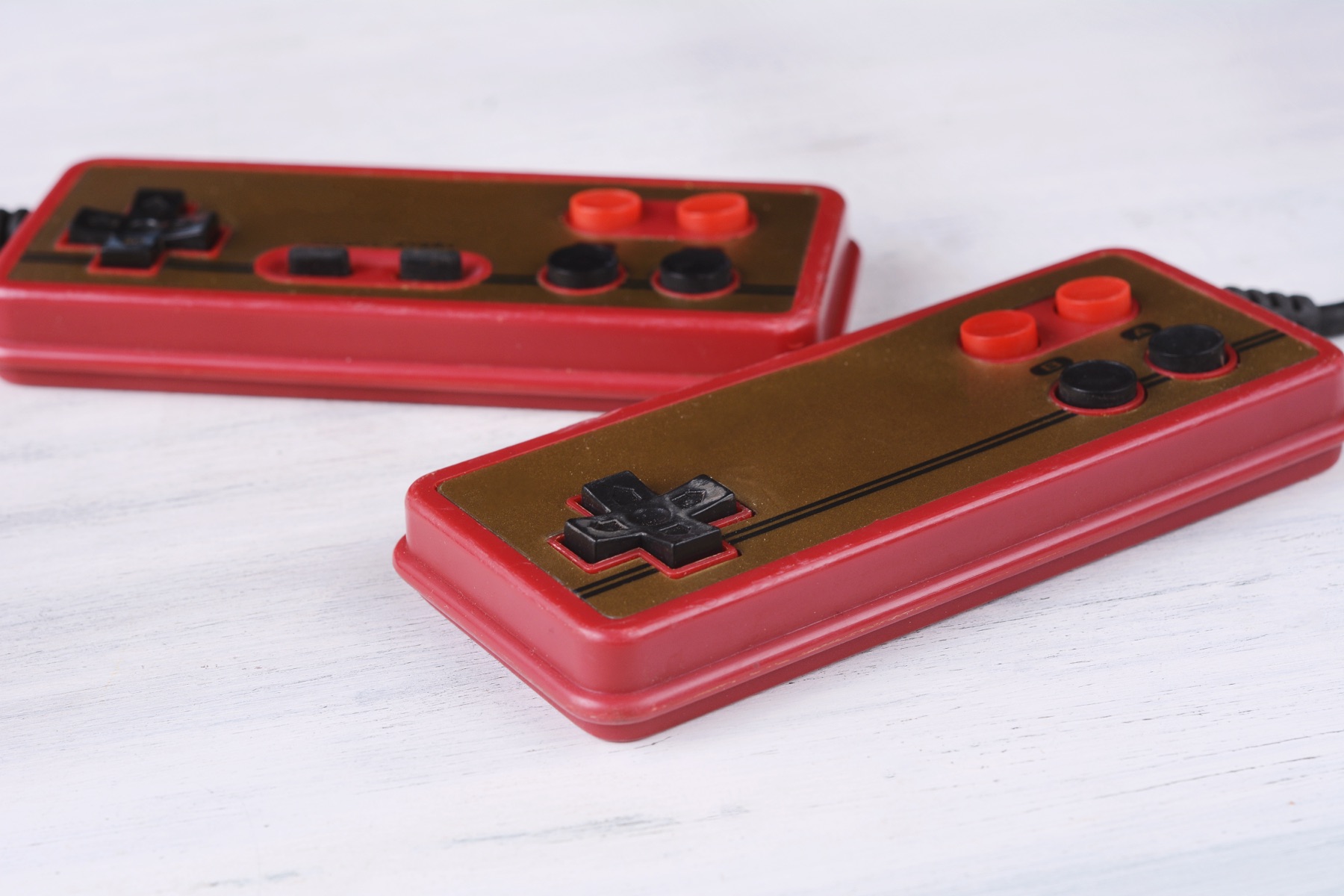
When a competitor must copy a program in order to understand it, has it infringed — or merely studied? In Sega Enterprises Ltd. v. Accolade, Inc., the U.S. Court of Appeals for the Ninth Circuit answered with one of the most influential fair-use holdings in software history. Argued July 20, 1992 and decided October 20, 1992 (Dkt. No. 92-15655; amended January 6, 1993), the decision held that the “intermediate” copying inherent in disassembling object code can be a fair use when disassembly is the only way to access the program’s unprotected functional ideas and there is a legitimate reason to seek that access. More than thirty years later, Accolade remains the cornerstone authority for reverse engineering, interoperability, and security research.
At a glance
- Case: Sega Enterprises Ltd. v. Accolade, Inc., U.S. Court of Appeals for the Ninth Circuit, Dkt. No. 92-15655.
- Decided: October 20, 1992 (amended Jan. 6, 1993); on appeal from the U.S. District Court for the Northern District of California.
- Holding: Intermediate copying of object code through disassembly is fair use where disassembly is the only means to access the unprotected functional elements of a program and the copier has a legitimate reason for access.
- Trademark twist: The court also addressed Sega’s trademark/false-designation claim arising from a security “lock-out” code that forced Accolade games to display the Sega logo.
- Why it matters: It secured reverse engineering as a lawful pathway to interoperability and competition in software markets.
Background: cartridges, lock-out codes, and a competitor locked out
Sega designed and sold the Genesis console and licensed game developers to make compatible cartridges. To compete without taking a license, Accolade wanted to publish its own Genesis-compatible games. Doing so required understanding how cartridges communicated with the console. Accolade purchased Sega games, decompiled and disassembled their object code to study the interface requirements, and used what it learned to create games that ran on the Genesis.
Two technical facts shaped the dispute. First, the only practical way for Accolade to learn the interface specifications was to copy and disassemble Sega’s object code — there was no published specification and no comparable route to the functional information. Second, later Genesis consoles incorporated a trademark security system (TMSS): a short initialization code that, when present in a cartridge, both unlocked the console and caused it to display a “PRODUCED BY OR UNDER LICENSE FROM SEGA ENTERPRISES LTD” message. To make their games run on newer consoles, Accolade’s cartridges had to include that code — which meant Sega’s screen message appeared on unlicensed games. The district court found infringement and entered a preliminary injunction; Accolade appealed.
The fair-use analysis: function lives behind the code
The Ninth Circuit reversed on the copyright claim. It accepted that disassembly necessarily produces copies of the copyrighted object code, so the question was not whether copying occurred but whether it was excused as fair use under 17 U.S.C. § 107. Working through the four statutory factors, the court reached a conclusion that reoriented software copyright.
Purpose and character of the use. Accolade’s copying was commercial, which ordinarily cuts against fair use. But the court treated the commercial purpose as only “intermediate”: Accolade copied not to sell Sega’s code but to study the unprotected functional requirements buried within it, then wrote its own original games. The court emphasized a public-benefit dimension — growth in the number and variety of independently created games — that aligned with copyright’s ultimate purpose of promoting creative expression.
Nature of the work. This factor proved decisive. Object code is functional and largely unobservable; the ideas and functional elements it embodies cannot be examined without copying. The court reasoned that computer programs occupy a position “distant from the core of copyright protection” precisely because they intermingle protected expression with unprotected ideas and methods of operation that § 102(b) places outside copyright. Where the only way to reach those unprotected elements is to copy, that reality weighs in favor of fair use.
Amount used. Accolade copied entire programs in the course of disassembly, which normally weighs against fair use. The court found this factor of “very little weight” given the nature of the work and the necessity of wholesale copying to extract the functional information.
Market effect. Accolade’s games competed with Sega’s, but the court distinguished competition from market usurpation. Accolade did not supplant demand for Sega’s specific copyrighted games; it added competing, independently authored titles to the platform. Any economic loss flowed from legitimate competition, not from appropriation of Sega’s expression.
Weighing the factors, the court announced its enduring rule: “where disassembly is the only way to gain access to the ideas and functional elements embodied in a copyrighted computer program and where there is a legitimate reason for seeking such access, disassembly is a fair use of the copyrighted work, as a matter of law.”
The trademark dimension: who caused the false impression?
The court also confronted Sega’s claim that Accolade’s games falsely displayed Sega’s mark. The Ninth Circuit was unsympathetic to Sega’s posture. Because the TMSS initialization code forced the Sega message to appear whenever any compatible cartridge ran, it was Sega’s own design — not Accolade’s choice — that produced the false impression of sponsorship. The court declined to let a trademark-based lock-out mechanism become a back-door means of excluding lawful competitors, and it ordered reconsideration of the injunction.
Open questions
- Necessity in a documented world. Accolade turns on disassembly being the only route to functional information. Where specifications or APIs are published, the necessity premise weakens.
- Contractual override. Many software products now ship under licenses that prohibit reverse engineering; how far such terms can displace the fair-use defense remains contested.
- The DMCA overlay. Anti-circumvention rules under 17 U.S.C. § 1201 add a layer Accolade never addressed, complicating reverse engineering that must defeat technical protection measures.
- Security research. Courts and regulators continue to work out how the Accolade logic maps onto modern vulnerability research and interoperability across networked systems.
Implications
- Reverse engineering is legitimized: intermediate copying to reach unprotected functional elements can be fair use as a matter of law.
- Function is not owned: copyright does not let a platform holder monopolize interface specifications simply because they are embedded in copyrighted code.
- Interoperability and competition are favored: the decision protects independent developers building compatible products.
- Lock-out mechanisms invite scrutiny: using trademark or security systems to exclude lawful competitors can backfire.
- Necessity is the boundary: the defense is strongest when no non-infringing path to the functional information exists.
Frequently asked questions
Did Accolade win the case? On the copyright claim, yes — the Ninth Circuit held that its disassembly of Sega’s code to study functional requirements was fair use and reversed the infringement-based injunction. The court also viewed Sega’s trademark theory skeptically because Sega’s own lock-out design caused its logo to appear.
Does Sega v. Accolade make all reverse engineering legal? No. The holding is bounded: disassembly is fair use when it is the only way to access a program’s unprotected functional elements and there is a legitimate reason for the access. Later developments — restrictive license terms and the DMCA’s anti-circumvention rules — can change the analysis.
Why is the “nature of the work” factor so important here? Because object code mixes protected expression with unprotected ideas and functions that cannot be examined without copying. That technical reality pushes software away from copyright’s core and supports treating necessary intermediate copying as fair use.